
Recruiting 101

As a freshman, this is the best time to sit down with your trainer and parents to decide your riding goals.If you want to compete D1 NCAA, you should ideally be competing in the equitation and jumping 3'-3'3. Attending a camp to test out collegiate equestrian is highly recommended
This is the content year. You should work on building your riding resume, collecting videos, and creating a website and YouTube channel. Ideally you begin to email coaches your spring semester. I recommend attending as many camps as you can to get in front of the coaches early and build a relationship.

After June 15th of your rising junior year coaches can begin to have communication with you (emails, phone calls, etc.). After August 1st, you can visit the coaches for an unofficial or, if Invited, official visit. The fall of junior year is when coaches offer positions to their top recruits.

During your senior year, the single discipline NCAA schools, and certain IHSA schools will still be offering positions. The majority of the dual discipline NCAA schools will have filled their rosters with some schools still recruiting for the Western team. Senior year is the official signing year to the school. Congrats!
This four-year timeline is provided for illustrative purposes only and may vary based on each rider’s individual journey, ability, and collegiate interests.
Recruiting 101
Important dates, deadlines, and quick answers to common questions
FAQs

What is the NCEA competition format?
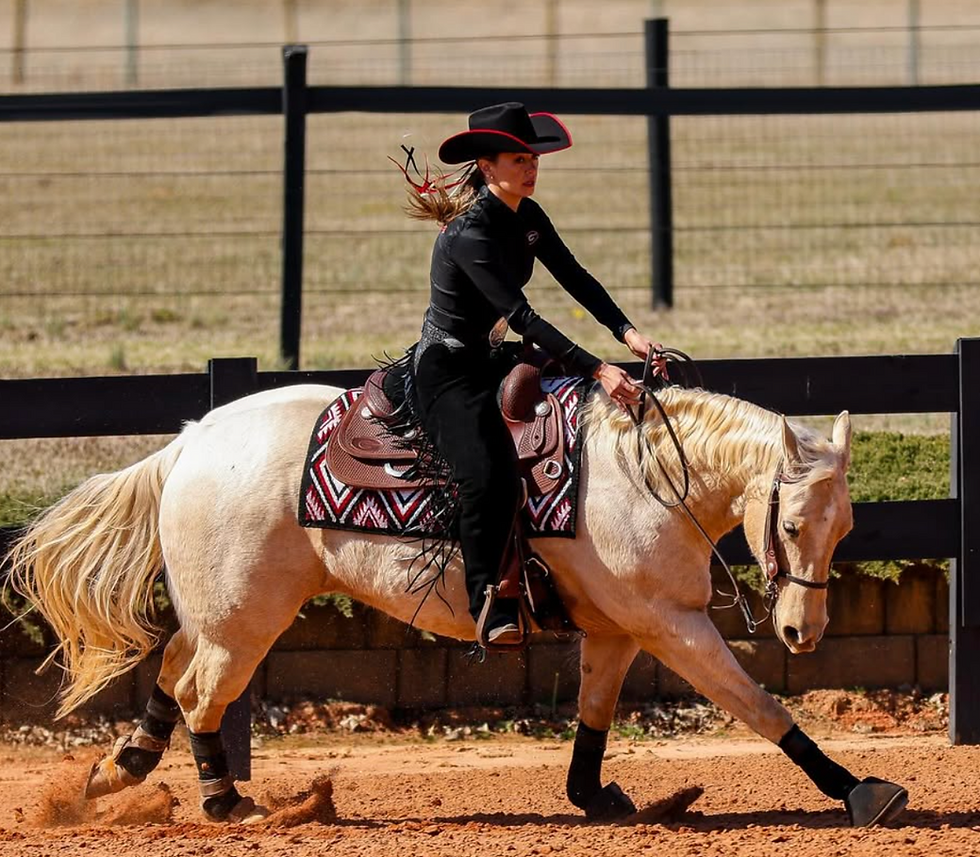
The NCEA competition consists of two disciplines, Jump Seat and Western. Riders on the Jump Seat team compete in two events, Equitation on the Flat and Equitation over Fences. Riders on the Western team also compete in two events, Reigning and Horsemanship. On competition day, five riders will compete in each event for points with often an exhibition rider and demonstration rider who are both scored for the team. Note - some riders will compete in both events.
For each event, the rider will compete on a randomly assigned horse at the host school and compete against a randomly assigned rider from the opposing team. Riders have four minutes to test maneuvers, familiarize themselves with the horse, and if competing in fences, have up to four fences before they go head-to-head with their competitor. The rider who receives the highest score for their round or pattern receives the point for their team.
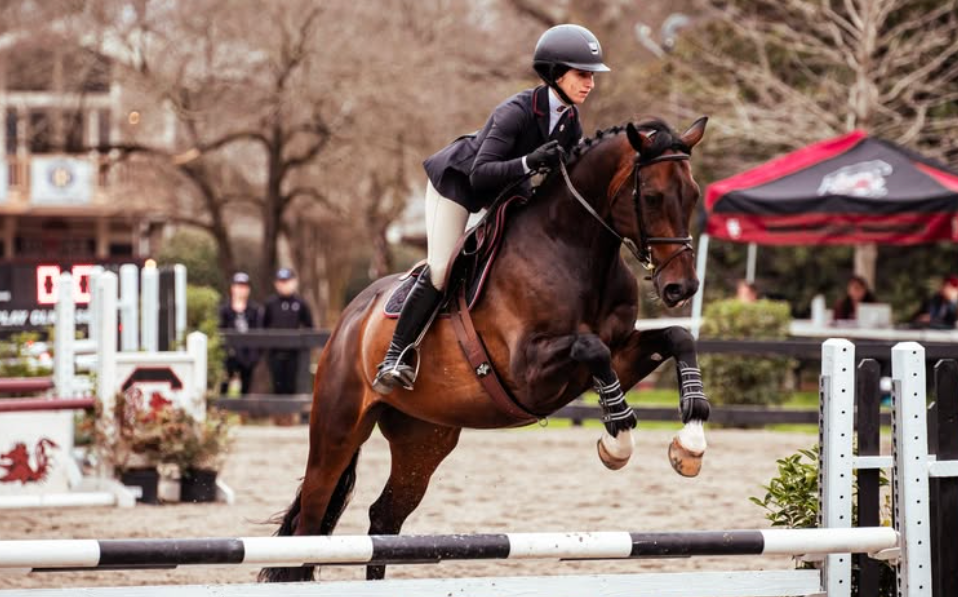
The Equitation over Fences is similar to equitation courses at the “big eq” level with challenging courses set at the 3’3” - 3’6” level. Equitation on the flat follows a pattern selected by the host school and is similar to a dressage test taking place in a 40x20 meter ring.

What does a typical day look like for a collegiate athlete?
A typical day for an equestrian student-athlete will often include strength and conditioning workouts, practice, and academic studies.
What is the average team size?
After the recent ruling of the House vs NCAA, the roster cap for all NCEA equestrian teams is 50 riders. On average most teams will carry about 35-40 riders on the dual discipline teams and about 15-20 on the single discipline teams.

What is the difference between single discipline and dual discipline teams?
The biggest difference between the two types of teams is that dual-discipline teams include both Jump Seat and Western squads, while single-discipline teams consist only of a Jump Seat squad. Single-discipline teams compete against other single-discipline teams and will occasionally face a dual-discipline team’s Jump Seat squad. The top four single-discipline teams advance to NCEA Nationals, while the top eight dual-discipline teams qualify for NCEA Nationals. Many single-discipline teams also compete in the IHSA format, giving riders additional opportunities to attend national finals.

500 Terry Francine Street, San Francisco, CA 94158
info@mysite.com
123-456-7890
© 2035 by Dr. Steve Parc. Built on Wix Studio